





Mortise and tenon joints

|
| The lintels at Stonehenge are secured by stone mortise and tenon joints. |
Contents |
[edit] Introduction
A mortise is a socket, recess or hole cut into a material in order to connect with a tenon (or tongue). In construction terms, this technique is commonly referred to as a mortise and tenon joint.
This method can be quite strong and sturdy, and is often used to join two components at a right angle. It is commonly found in furniture (such as tables and beds) or structures that require durable frames, such as doors or windows. It is one of the most common types of joinery used for woodwork and furniture.
[edit] History
Mortise and tenon joints have been used for thousands of years, most commonly in woodworking, but also for stone, iron and so on. Ancient examples have been found in architecture, shipbuilding and furniture making around the world, including a ship in the Giza pyramid complex, roofing structures in ancient Chinese architecture and the lintels at Stonehenge.
[edit] Types of mortises and tenons
There are many variations on the mortise and tenon joint:
- Barefaced mortise.
- Haunched mortise.
- Open mortise.
- Stub mortise.
- Through mortise.
- Through-wedged half-dovetail.
- Twin mortise.
- Wedged half-dovetail.
[edit] Types of tenons include:
- Hammer-headed tenon.
- Half shoulder tenon.
- Loose tenon.
- Pegged (or pinned) tenon.
- Stub tenon.
- Teasel (or teazle) tenon.
- Through tenon.
- Top tenon.
- Tusk tenon.
[edit] Related articles on Designing Buildings
Featured articles
Check out some of the best features and news from Designing Buildings as well as key stories from around the web.
Campaigning for Edinburgh: the Cockburn Association 1875-2049

The role of the civic voice in protecting character. Book review.

CIOB photography competition is open for entries.
ECA Edmundson apprentice of the year award
Finalists announced.
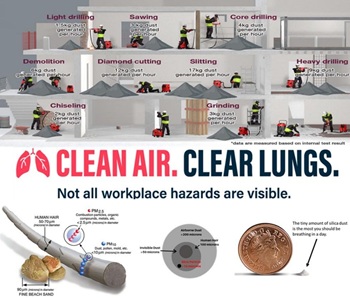
Major new study exposes serious knowledge gaps.

Generating energy from internal light as well as sunshine.

ECA welcomes plans to strengthen subcontractor quality control.

Combining mid-career qualifications with experience broadens career opportunities.

Why being a mentor can help your career.

Channel 4 broadcaster to host 125th anniversary ceremony.
Listed structures on the rail network
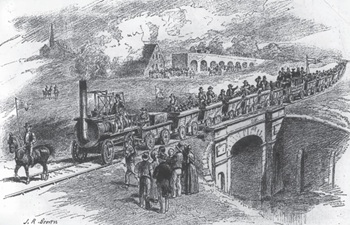
Heritage interests and operational requirements must be balanced.
Historic England publishes research into embodied carbon when retrofitting traditional buildings.

New Prime Minister delivers on ECA call for cut in electricity costs.